November–December 2025: Pre-Eclampsia Study in Techiman
Study Launch and Purpose
Together with the team at Holy Family Hospital in Techiman, and in partnership with Professor Kypros Nicolaides and the Fetal Medicine Foundation (FMF), the first observational study on pre-eclampsia prevention in Africa was initiated. Close collaboration with the local clinical lead, Dr Friko, made it possible to integrate the study directly into daily clinical routines.
The objective is to generate local baseline data on pre-eclampsia. Pregnant women between 11+0 and 13+6 weeks of gestation undergo standardised assessments, including crown–rump length measurement, mean arterial pressure, ultrasound-based evaluation of maternal blood vessels and a structured medical history according to FMF standards. Data are analysed using FMF software and, at the end of the study, will be compared with the observed incidence of pre-eclampsia to determine detection and false-positive rates.
Infrastructure and Training
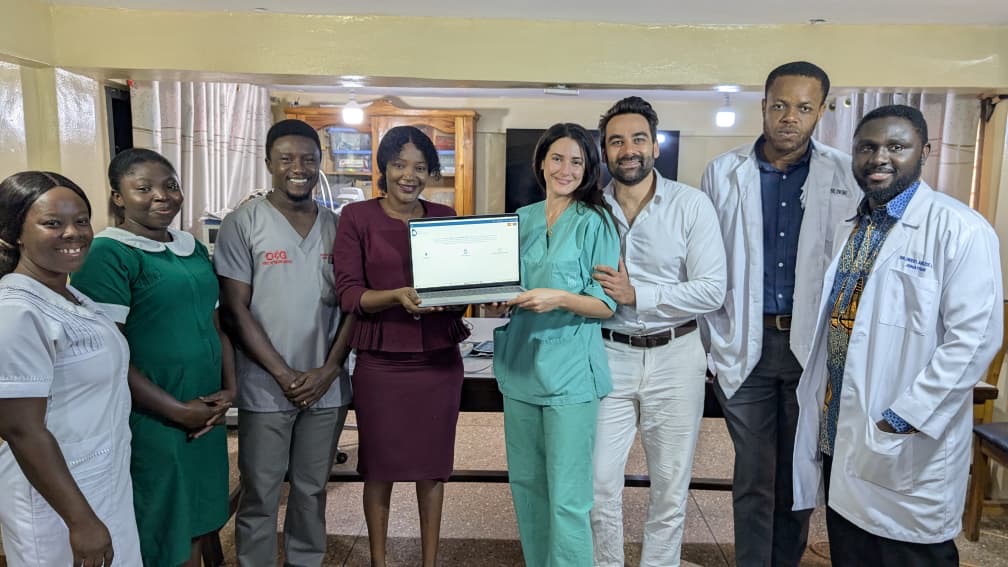
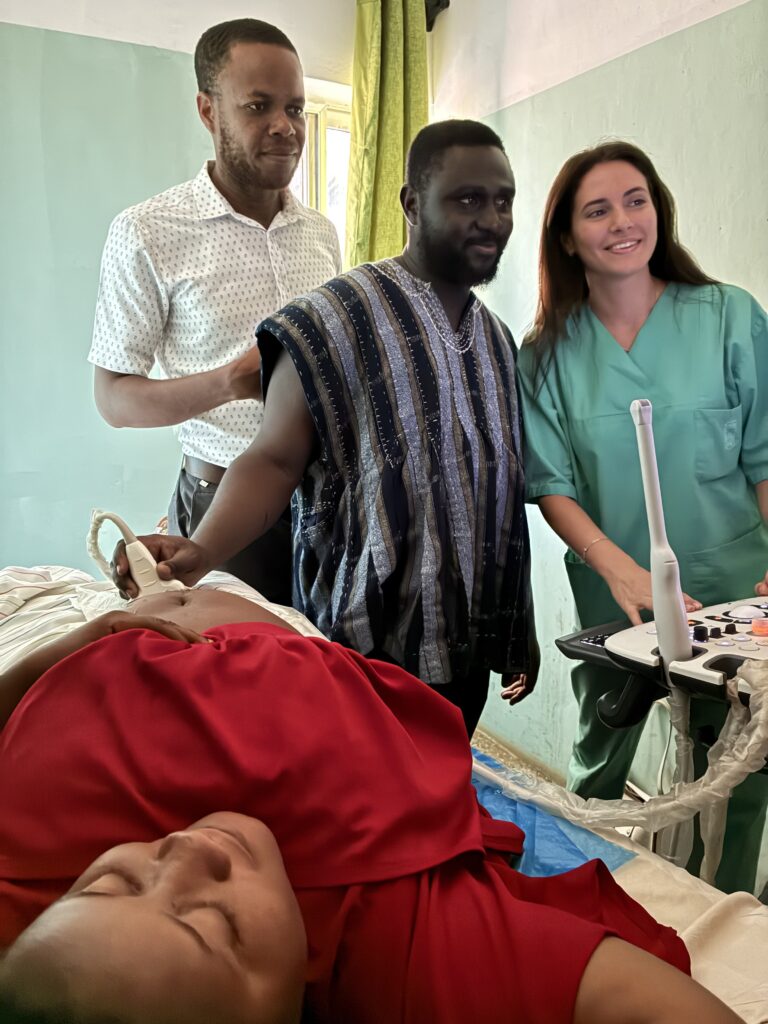
Diagnostic infrastructure was established with support from Professor Nicolaides. Laptops with pre-installed FMF software ensured full compliance with international standards. On 18 December 2025, a Voluson Signature 20 ultrasound system arrived in Techiman and was immediately incorporated into clinical use.
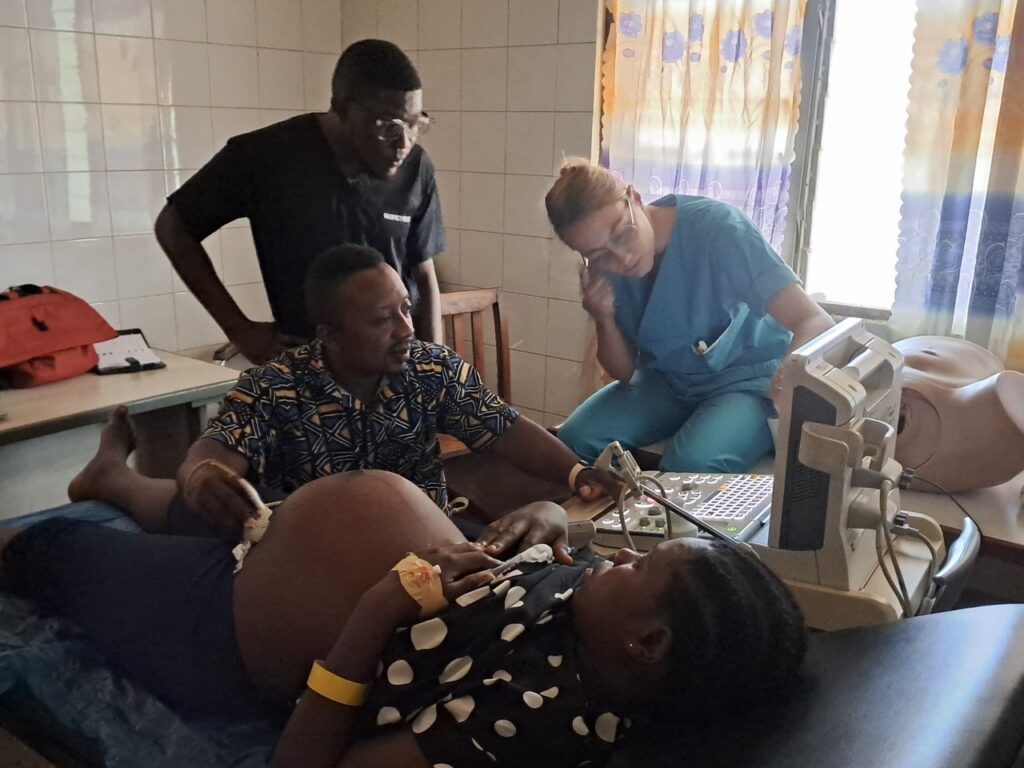
At the same time, intensive training of the local team took place — both in the acquisition of study-relevant measurements and in the use of the FMF software. Daily teaching and hands-on ultrasound practice in fetal growth, Doppler assessment and fetal abnormalities allowed rapid skills development. As a result, reliable study data could be collected and newly acquired competencies were applied straight away in routine care — including accurate first-trimester gestational age assessment for all pregnant women.
Clinical Findings and Outlook
The clinical relevance became evident even before the study officially began: within a few days, five cases of placental abruption were detected, highlighting substantial underdiagnosis and undertreatment of hypertensive disorders in pregnancy.
During the mission, several severe fetal conditions were identified, including hydrocephalus, bilateral encephalomalacia, gastroschisis and multiple cases of fetal growth restriction. Clinical decisions were made collaboratively within the team on the basis of detailed ultrasound findings and comprehensive patient counselling.
A particularly significant milestone was a medically, ethically and communicatively guided termination of pregnancy at 34 weeks in a case of severe bilateral encephalomalacia — the first procedure of this kind in the history of Holy Family Hospital. It clearly demonstrated the need for a structured fetal medicine unit.
Looking ahead, two members of the hospital team are expected to pursue structured specialist training in London. The mission has laid the foundation for the first FMF-based pre-eclampsia programme in Africa, significantly strengthened local diagnostic capacity and represents an important step in the medical development of the region.
October 2025: Expanding Cervical Cancer Screening and Training in Techiman
Strengthening Local Capacity
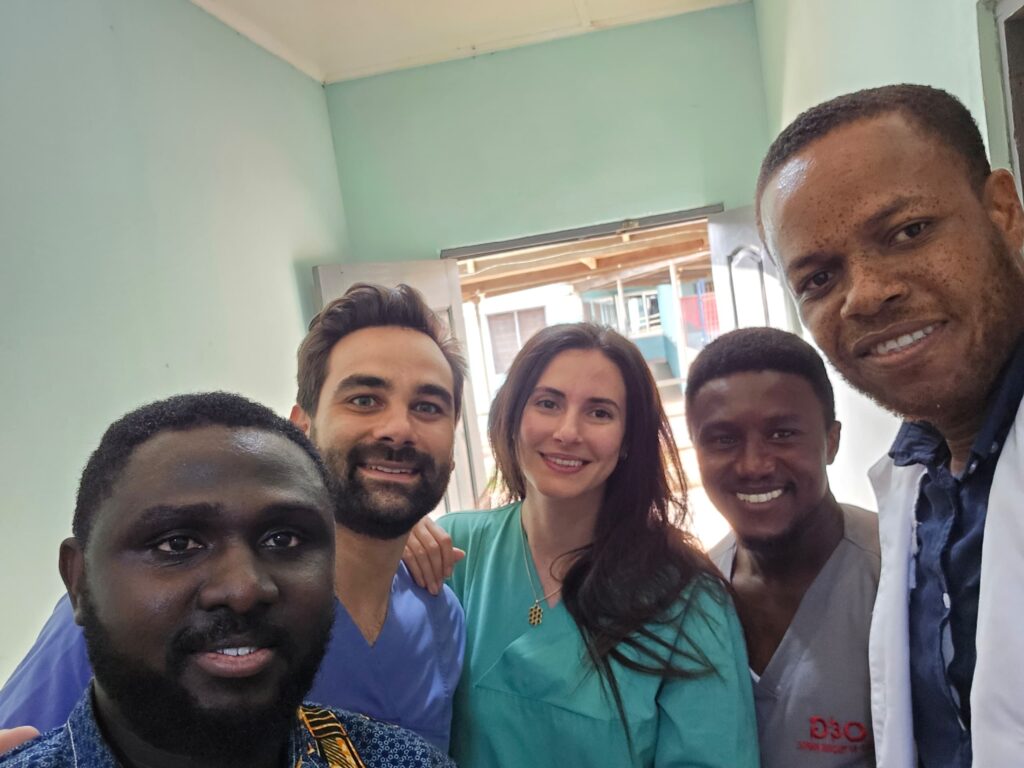
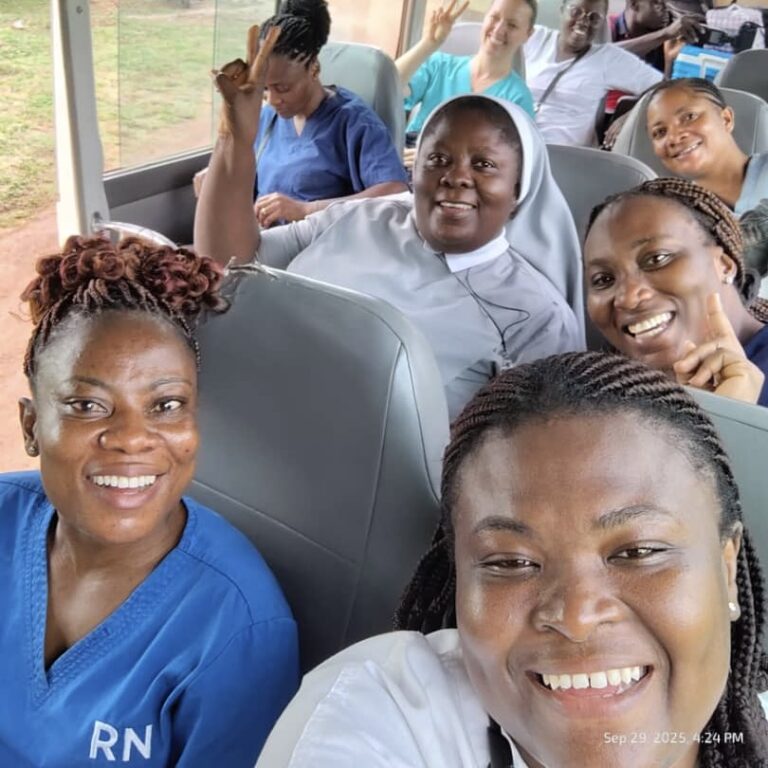
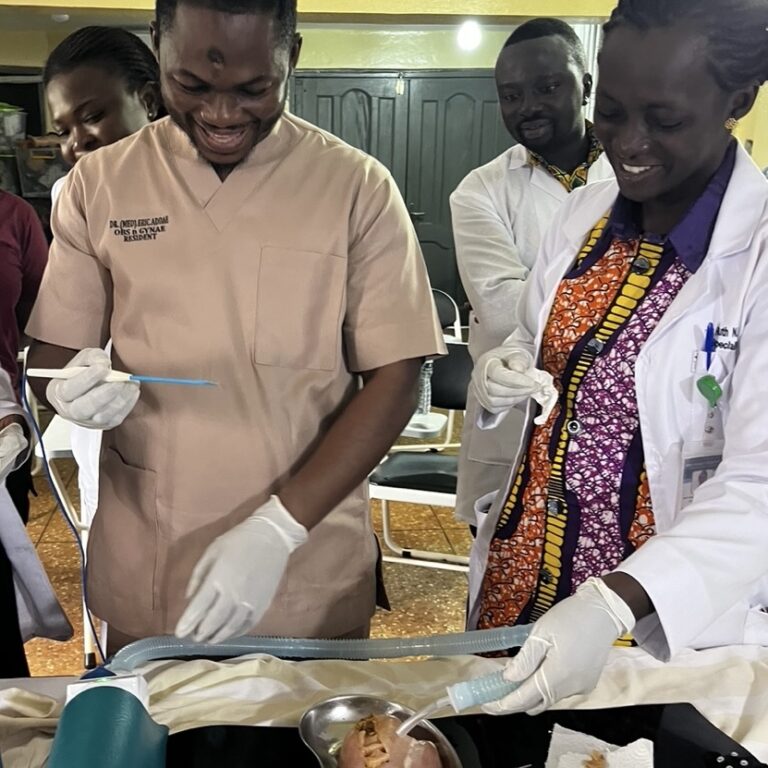
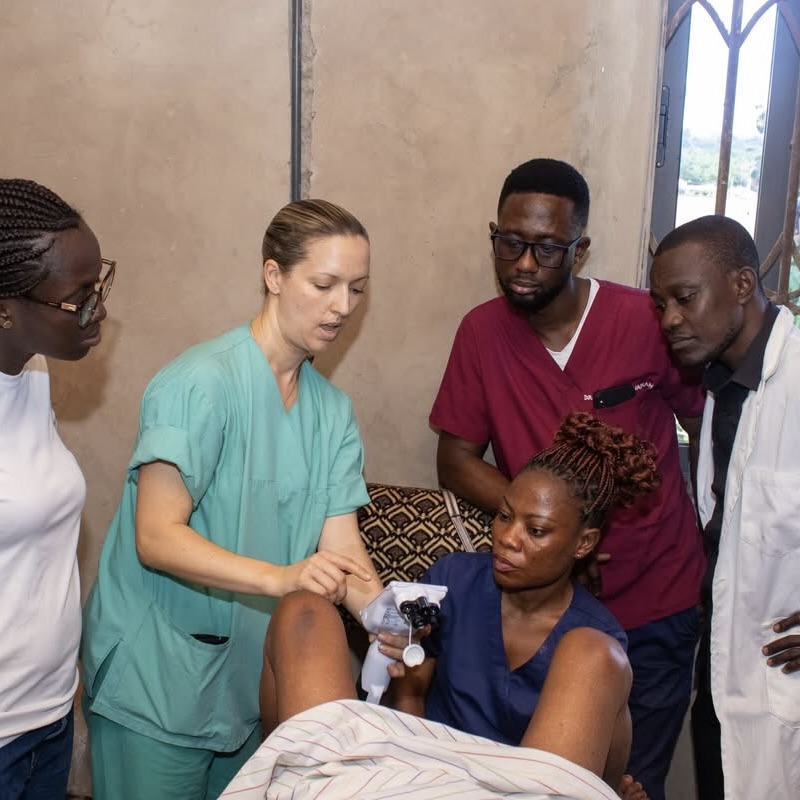
From September 20 to October 4, 2025, a medical team from Austria, led by Dr. Dr. Nadja Taumberger, visited the Holy Family Hospital in Techiman to continue the ongoing collaboration in cervical cancer prevention and training. The team, which included Dr. Teresa Pan, worked closely with the hospital’s staff to strengthen diagnostic and treatment capacity for women’s health.
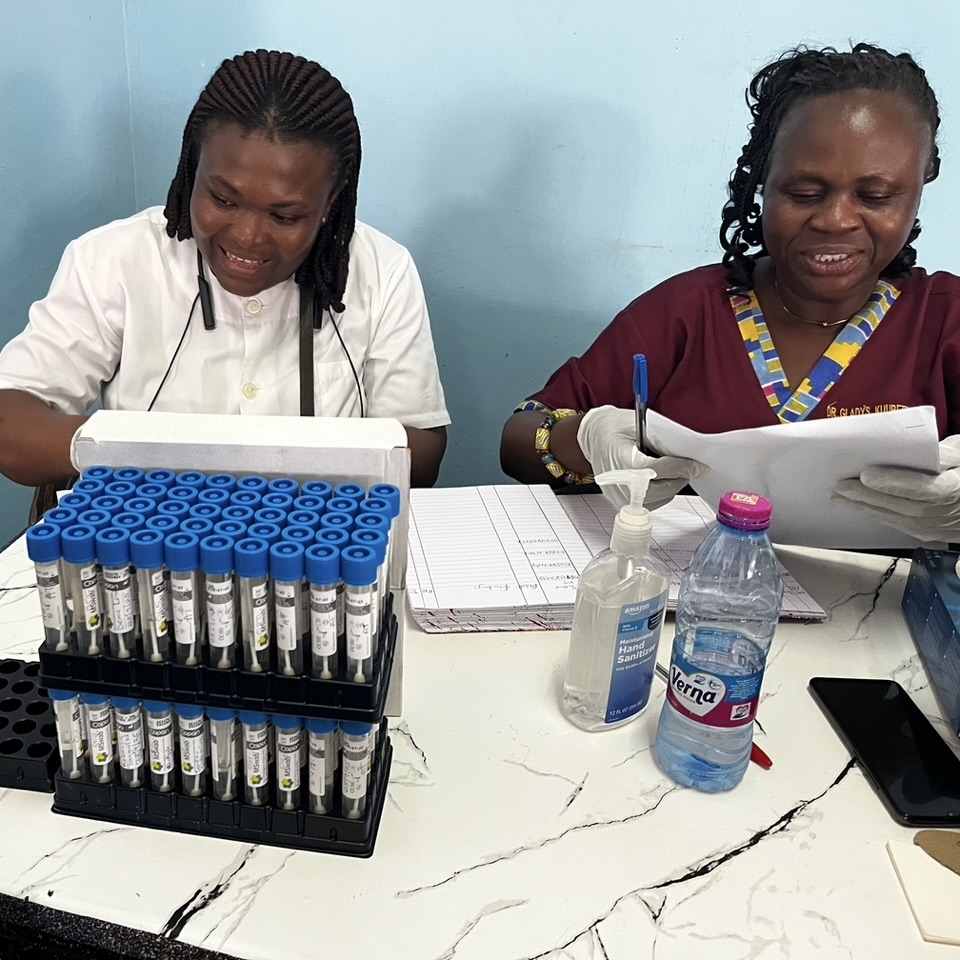
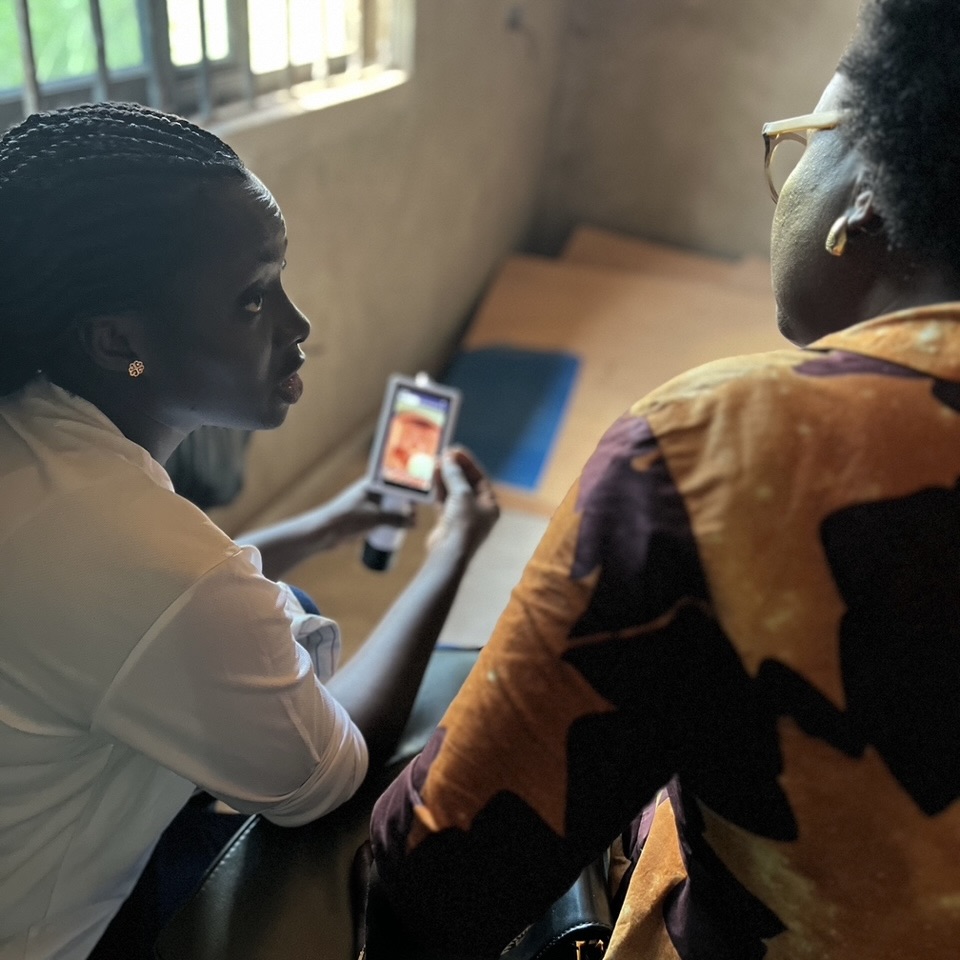
With support from GIZ and other donors, important new equipment could be provided, including a mobile colposcope, an electrosurgical generator, and a thermocoagulator – all designed for use in low-resource settings. Materials for HPV self-sampling tests were also supplied, enabling large-scale cervical cancer screening.




Outreach and Impact
During the first week, patients enrolled in the ongoing cervical cancer study were examined and treated. A major success became visible: the midwives trained over the past two years now perform cervical cancer screening and colposcopy independently and with great competence.
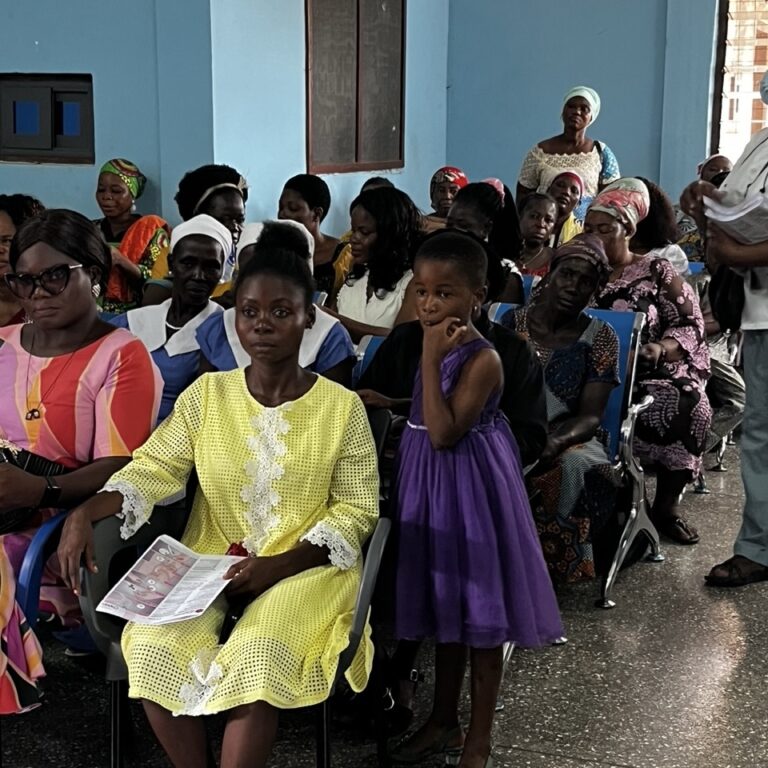
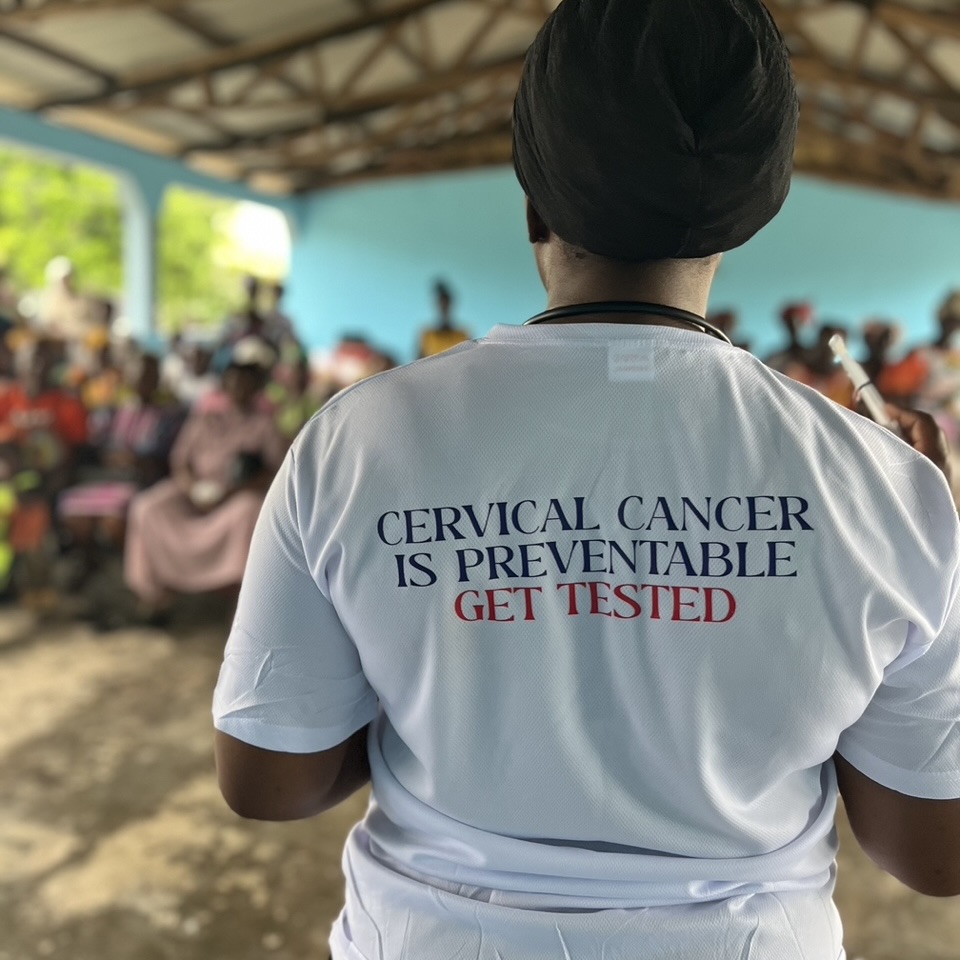
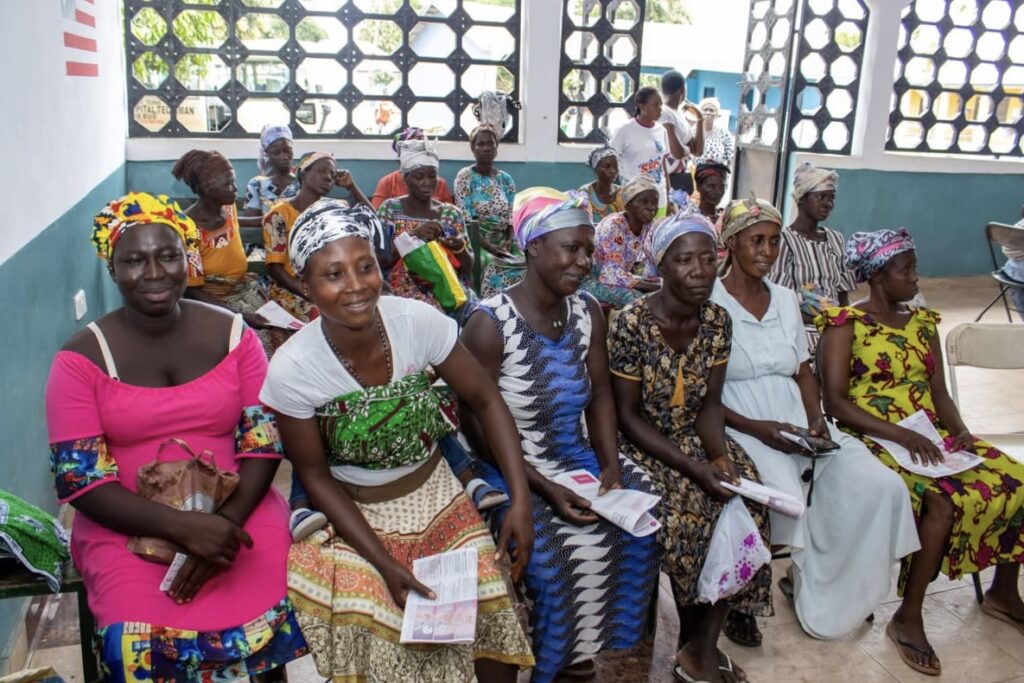
In the second week, the Austrian and local teams carried out a five-day outreach program in three rural communities – Atebubu-Amantin, Nsuta, and Abease – where access to medical care is limited. Together they screened around 1,500 women and provided consultations for various gynecological problems.
This mission marks an important milestone: in less than two years, a fully independent cervical cancer screening unit has been established at Holy Family Hospital, now extending care to women even in remote areas.
September 2025: New Ultrasound Machine for Obstetrics & Gynecology
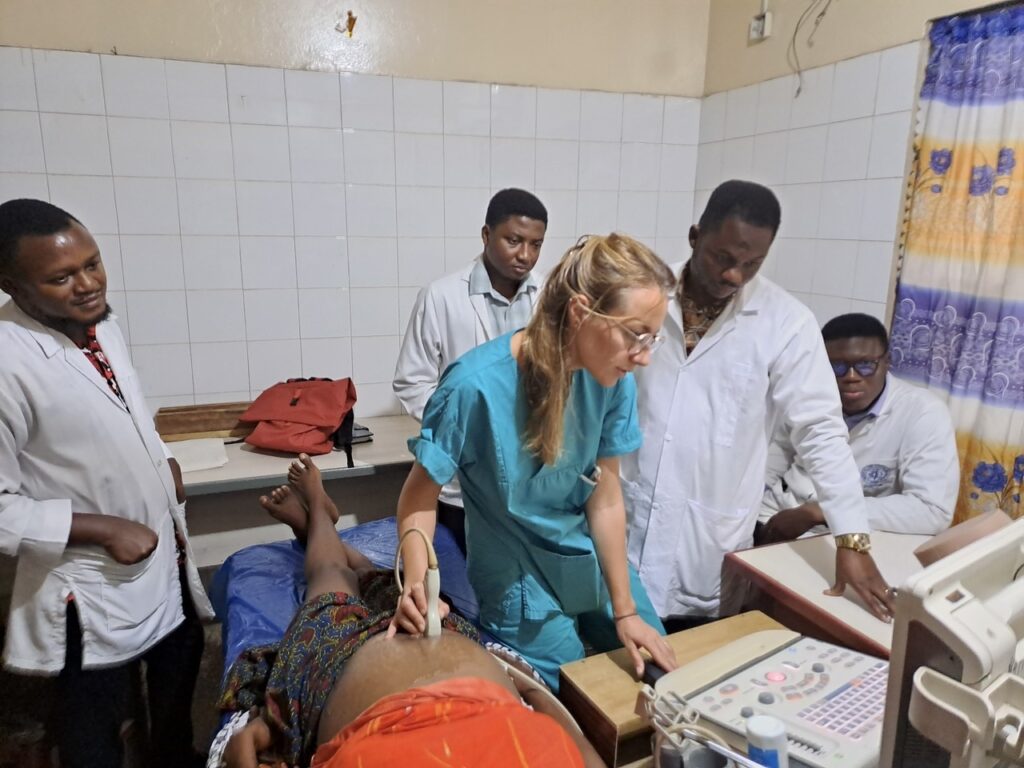
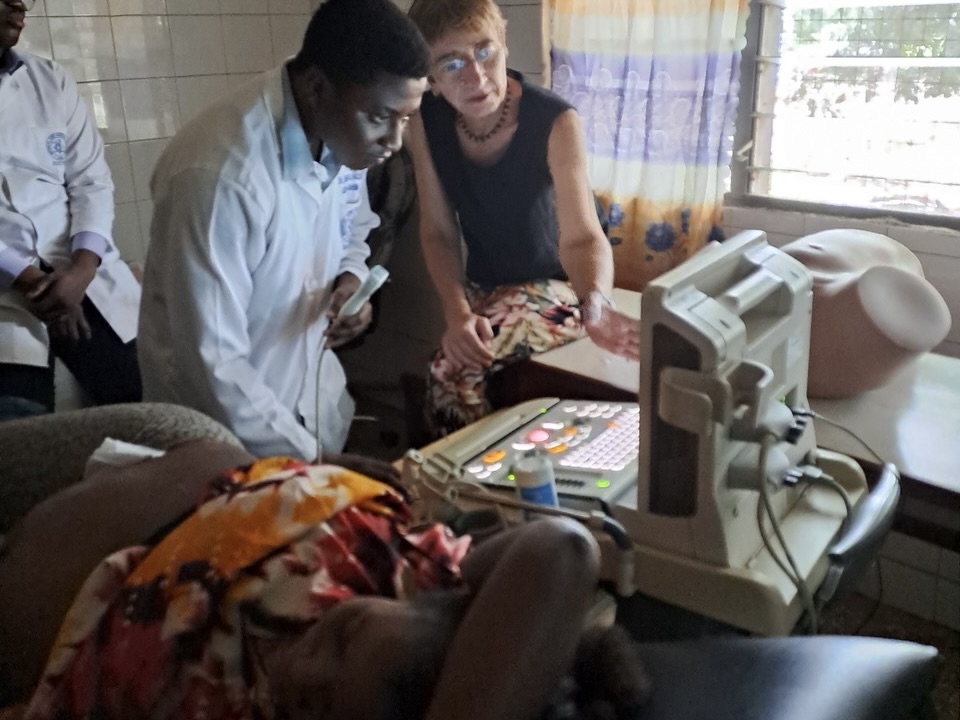
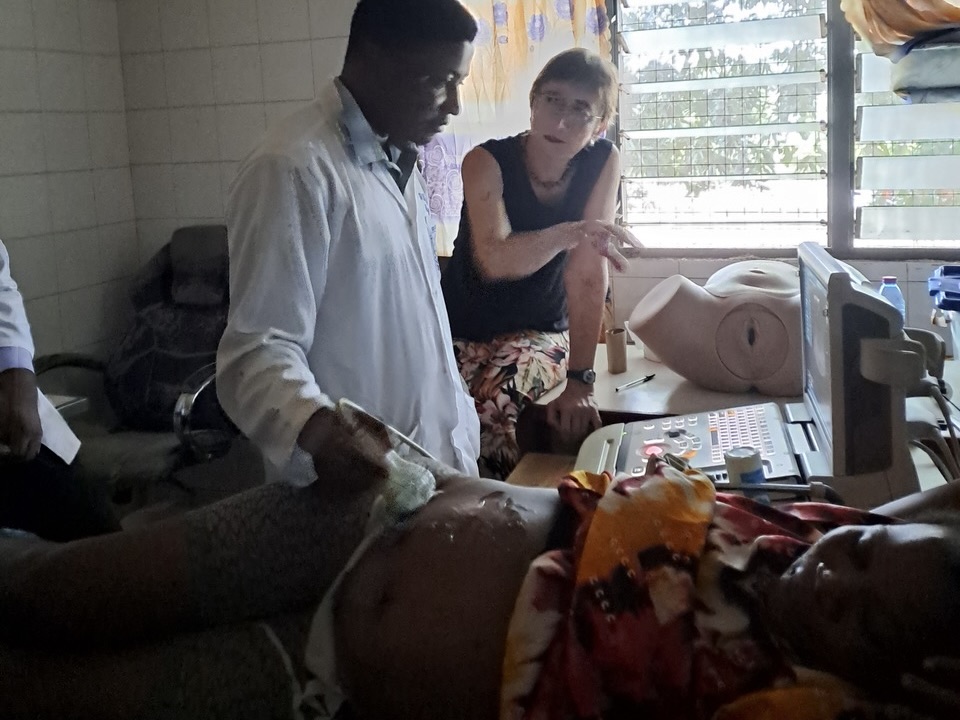
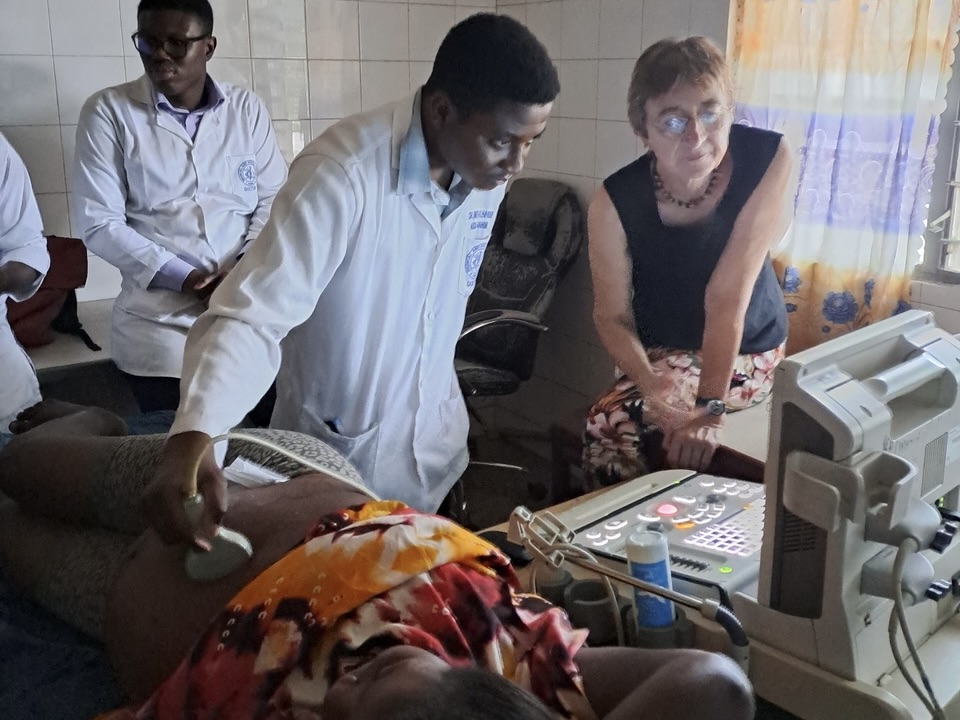
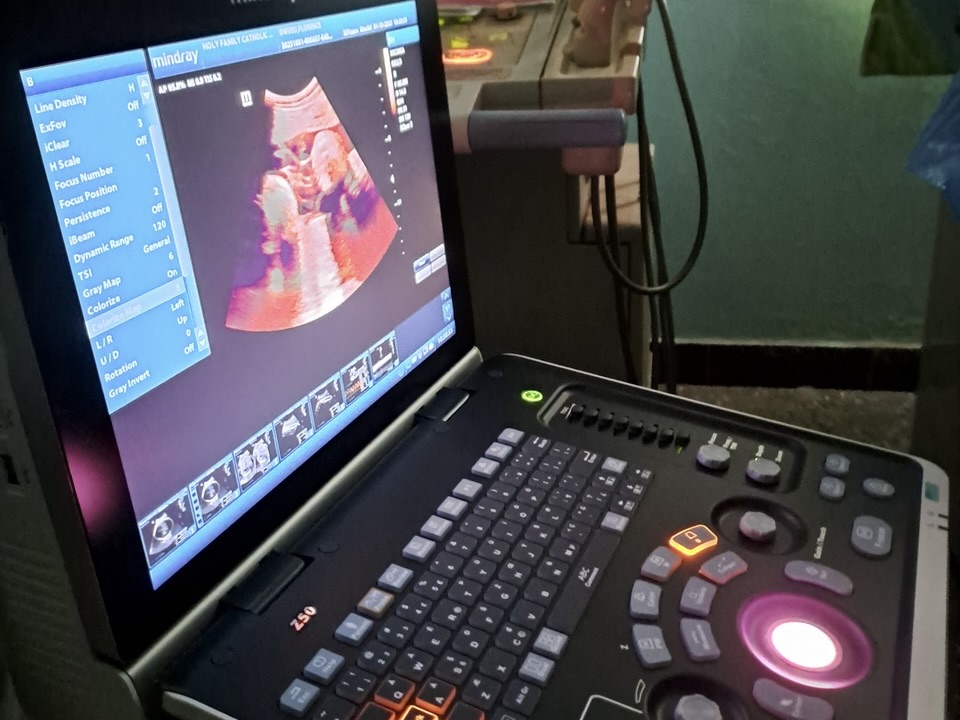
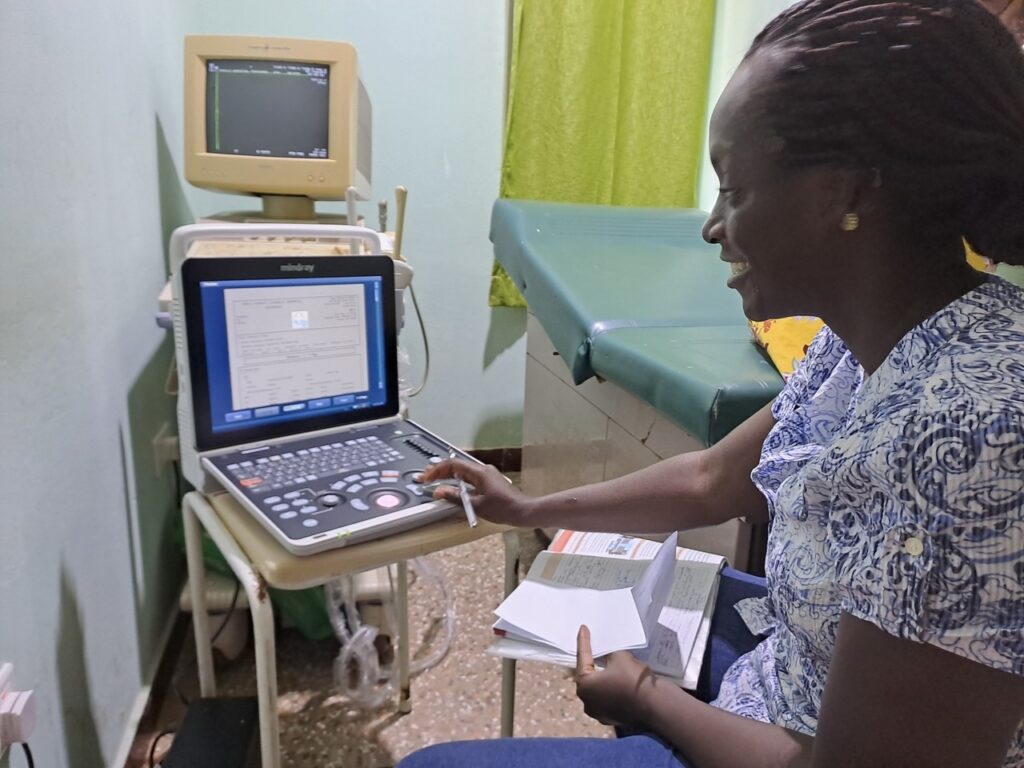
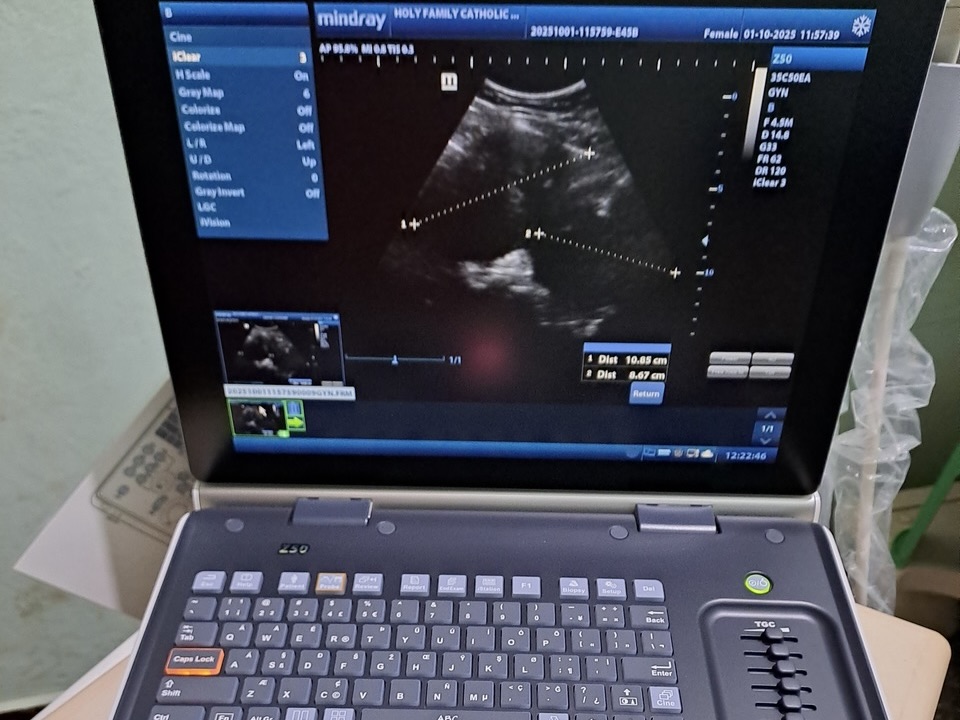
In early 2025, under the leadership of Dr. Ibrahim Friko, Head of the Department of Obstetrics & Gynaecology at Holy Family Hospital Techiman, the need for a second ultrasound machine was recognized to ensure reliable diagnostics in the triage area. A suitable multifunctional model available on the Ghanaian market was selected after careful evaluation.
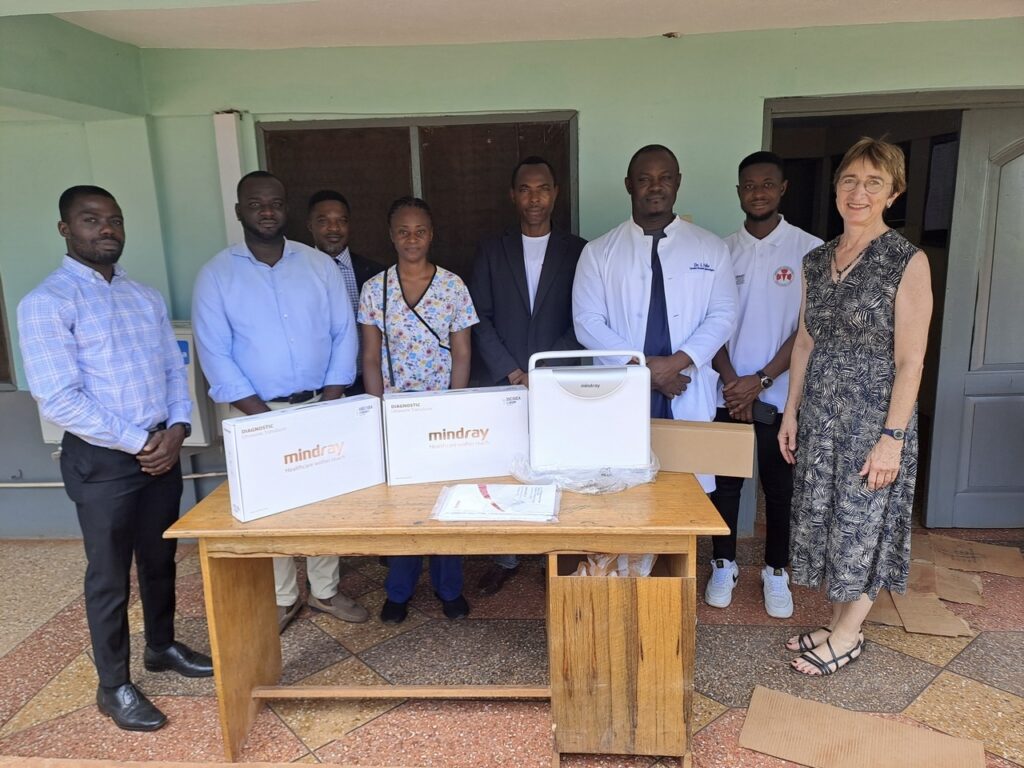
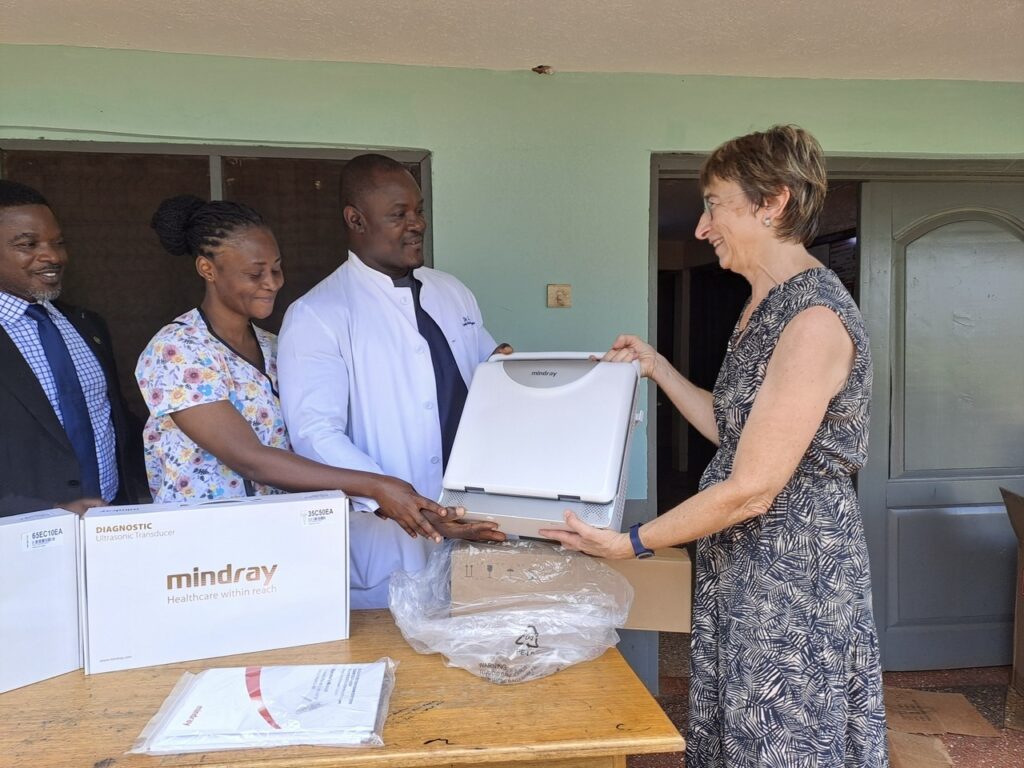
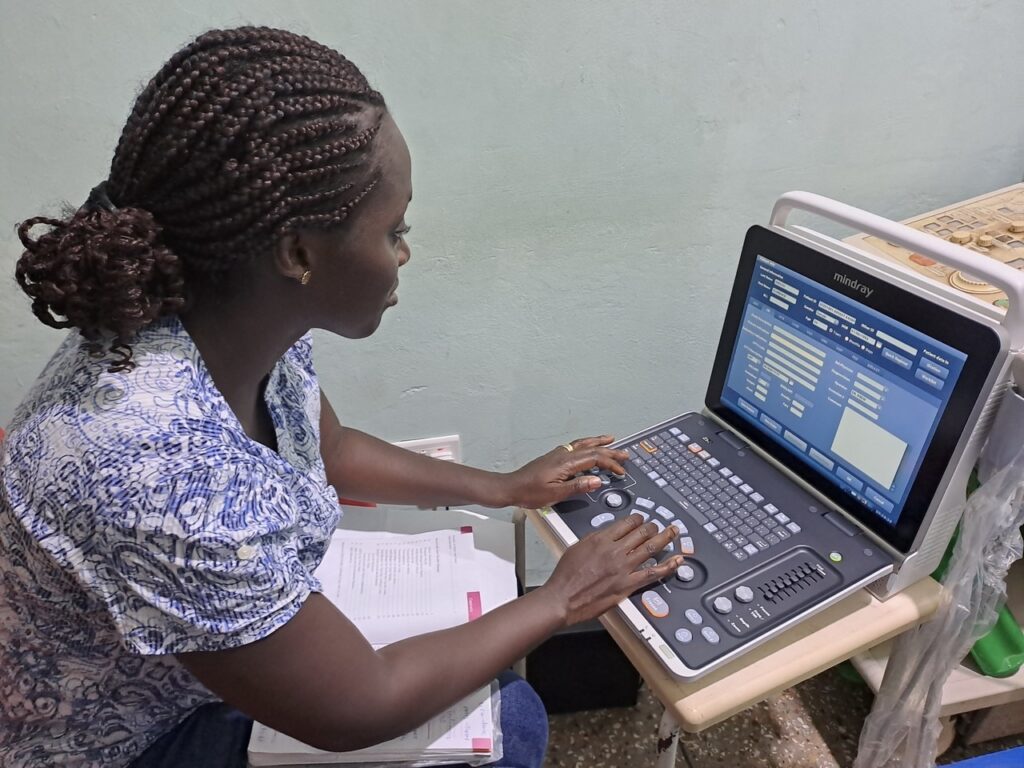
During the visit of an MSIP e.V. team from Würzburg in September 2025, the urgency of this need became clear once again, as the only functioning ultrasound device had broken down and required repair. Through a generous donation, MSIP e.V. was able to provide a new Mindray Z50 ultrasound machine with two probes. The device was delivered on September 30 and put into use the following day.
The new ultrasound machine strengthens diagnostic capacity in obstetrics and gynaecology and contributes to safer, faster, and more reliable patient care at Holy Family Hospital Techiman.